


What Is Dialysis?
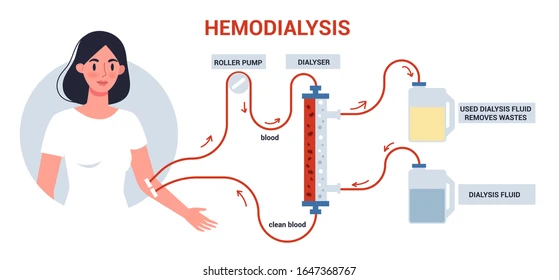
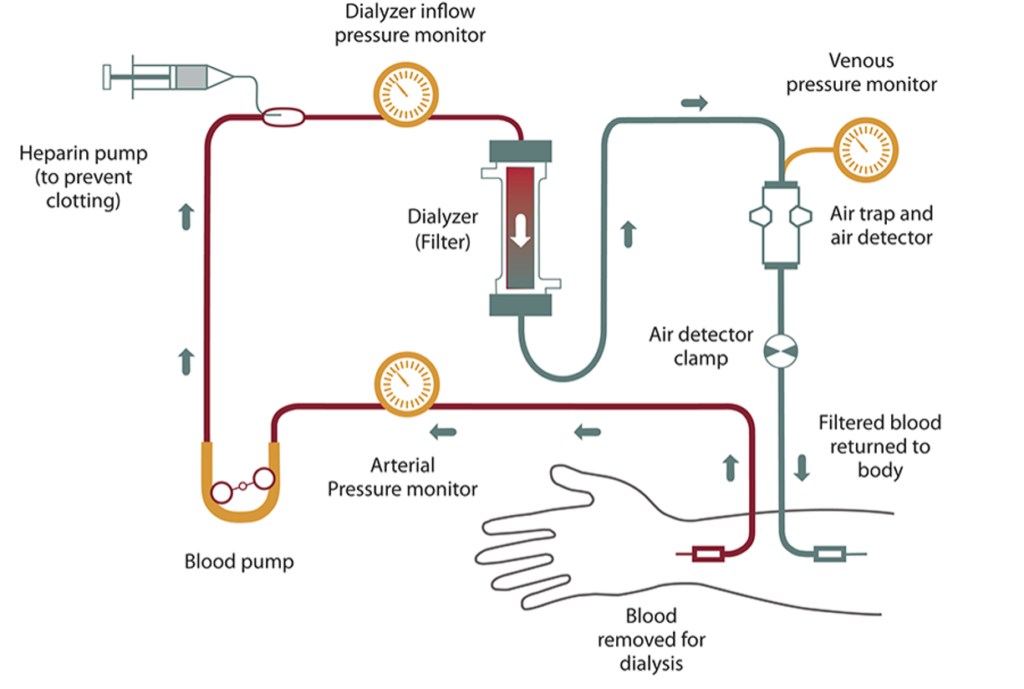
Dialysis is a life-saving treatment that performs the function of the kidneys when they are no longer able to work properly. It helps remove waste, excess fluids, and toxins from the blood, maintaining a healthy balance in the body.
Who Needs Dialysis?
Dialysis is recommended for patients with:
Chronic Kidney Disease (CKD)
End-Stage Renal Disease (ESRD)
Acute kidney failure
Severe electrolyte imbalance
Our nephrology team carefully evaluates each patient before starting dialysis.
Dialysis services available
🩺 Dialysis Health Tips
💧 Control Fluid Intake
Excess fluid can cause swelling and breathing problems.
Measure your daily fluid intake and follow your doctor’s recommendations strictly.
🥗 Follow a Kidney-Friendly Diet
Eat foods low in salt, potassium, and phosphorus.
Avoid processed foods and always consult your dietitian before changing your diet.
💊 Take Medicines as Prescribed
Never skip or change medications without medical advice.
Your medicines help control blood pressure, anemia, and bone health.
🧼 Keep Access Site Clean
Clean your fistula or catheter area daily.
Watch for redness, swelling, or pain and report any signs of infection immediately.
🏃 Stay Physically Active
Light exercise such as walking or stretching improves blood circulation and energy levels.
Always exercise as advised by your healthcare provider.
⏱️ Attend All Dialysis Sessions
Skipping or shortening dialysis sessions can be dangerous.
Each session removes toxins and excess fluids from your body.
📋 Monitor Your Health
Keep track of:
Blood pressure
Weight changes
Symptoms like fatigue or cramps
Report any unusual changes to your dialysis team.
😴 Get Enough Rest
Adequate sleep helps your body recover and maintain overall well-being.
❤️ Mental Health Matters
Dialysis can be emotionally challenging.
Talk to your family, support groups, or healthcare team if you feel stressed or anxious.
📞 Contact Your Doctor Immediately If You Have:
Fever or chills
Chest pain or shortness of breath
Sudden weight gain
Signs of infection at the access site